The main idea of the Human Rights Education through Sport programme is to support youth and sport organisations as well as sport and youth workers in developing competences to act as a multiplier for human rights and human rights education through sports in their realities.
All activities within the Human Rights Education through Sport programme were funded by the Council of Europe through the European Youth Foundation.
More than 100 young leaders working within and/or with the youth & sport sector from more than 30 countries were introduced to a theoretical context around Sports’ contribution to promote, ensure and advocate for Human Rights. With the inspiration of discussions, exchange and their own expertise, participants of the Human Rights Education workshop series, led by ENGSO Youth, created a manual that includes meaningful non-formal education physical activities and exercises with the common goal: to highlight and educate on the power of sport as a tool to promote Human Rights.
want to facilitate the Human Rights Education through Sport?
Our manuals are here to help.
The manual is the final outcome of the Human Rights Education through Sport programme, funded by the Council of Europe through the European Youth Foundation. The main idea of the programme, which kicked off in Budapest (Hungary) in February, continued in Portimão (Portugal) in June, and concluded in Arnhem (Netherlands) in October, was to support youth and sport organisations as well as sport and youth workers in developing competences to act as multipliers for human rights and human rights education through sports.
English
Spanish
German
Italian
Swedish
Greek
Hungarian
Lithuanian
Arabic
Russian
Romanian
Ukrainian
Serbian
Catalan
French
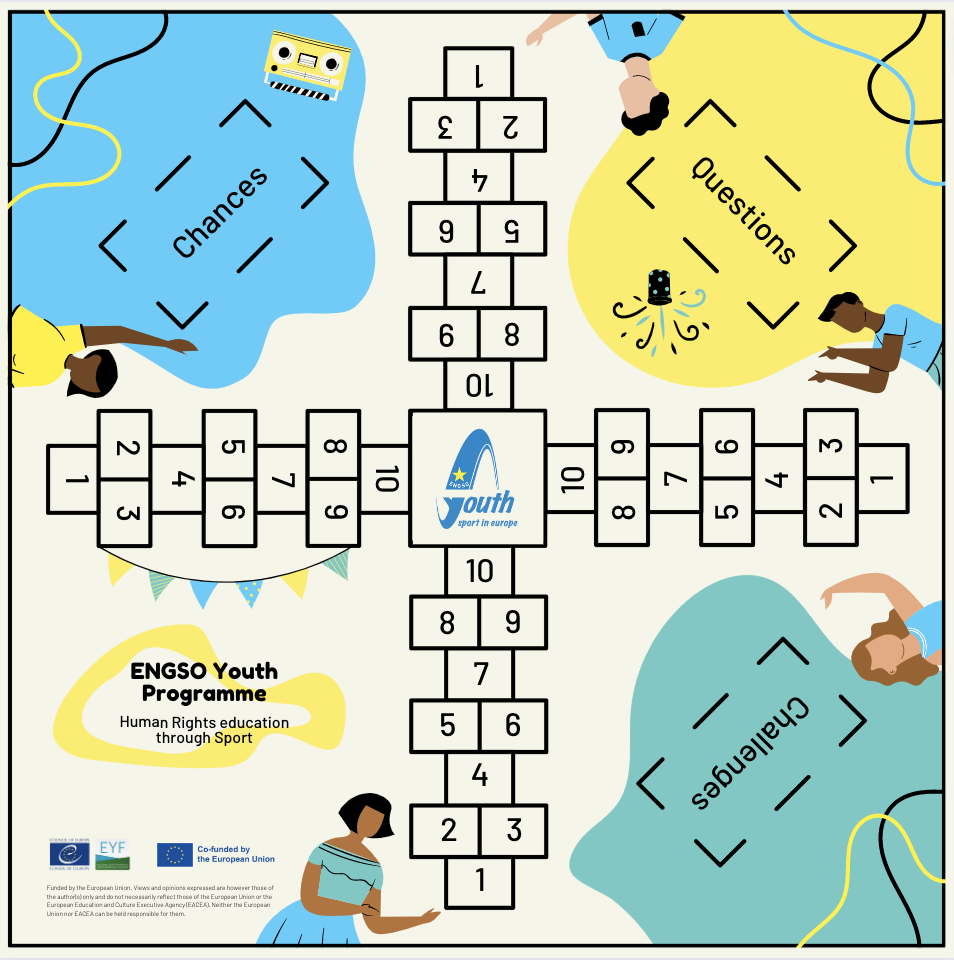
Want to play a fun, educational game on human rights?
The idea behind the 1,2 droit board game is to use the non-formal education and a fun, interactive and sporty way to raise awareness and improve the knowledge of young people on human rights while also supporting the participation in the health-enhancing physical activity and socialisation.
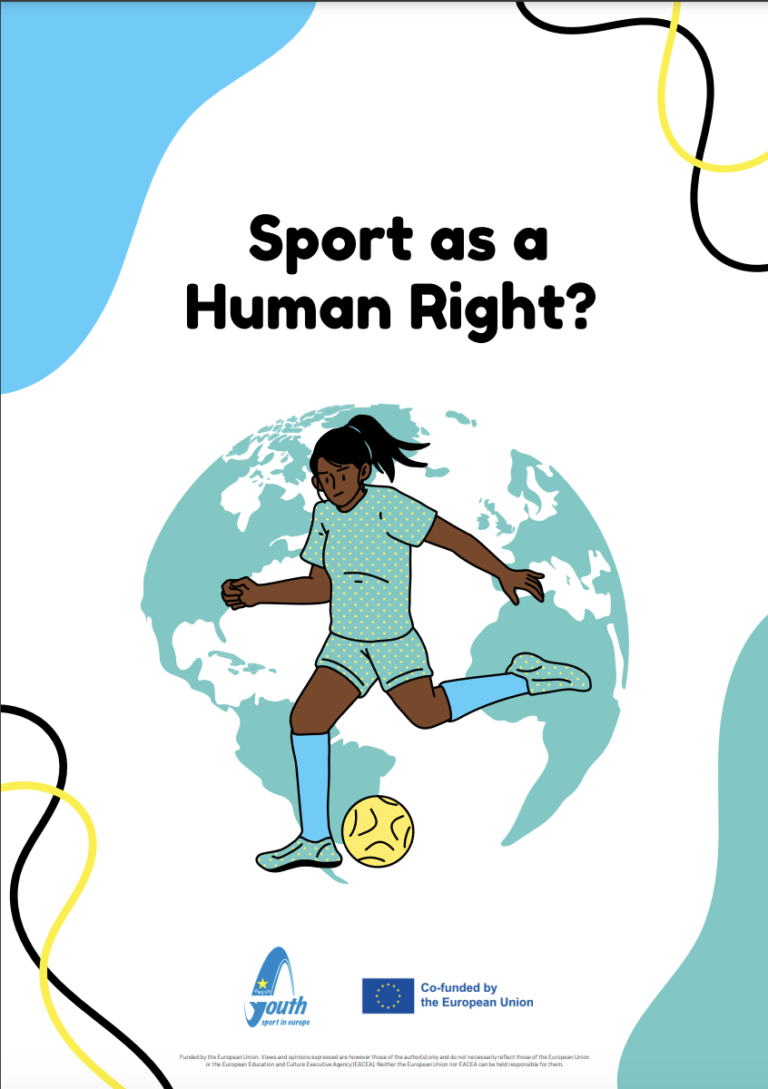
In this position paper “Sport as a Human Right?” we highlight the impact sport initiatives can have on the inclusion and lives of refugees.
Let’s recap the international activities we organised within this programme
Step 1:
Budapest, Hungary
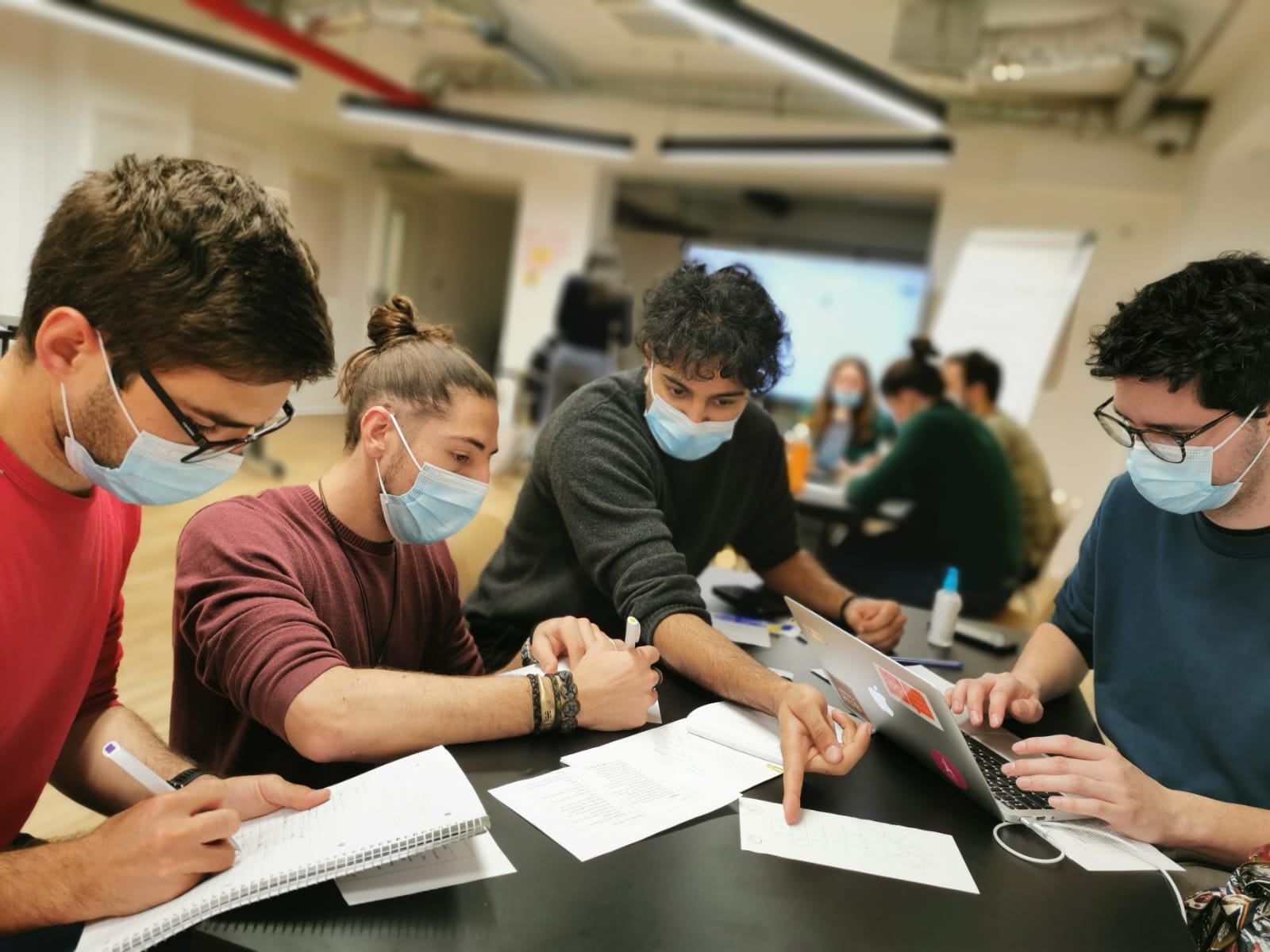
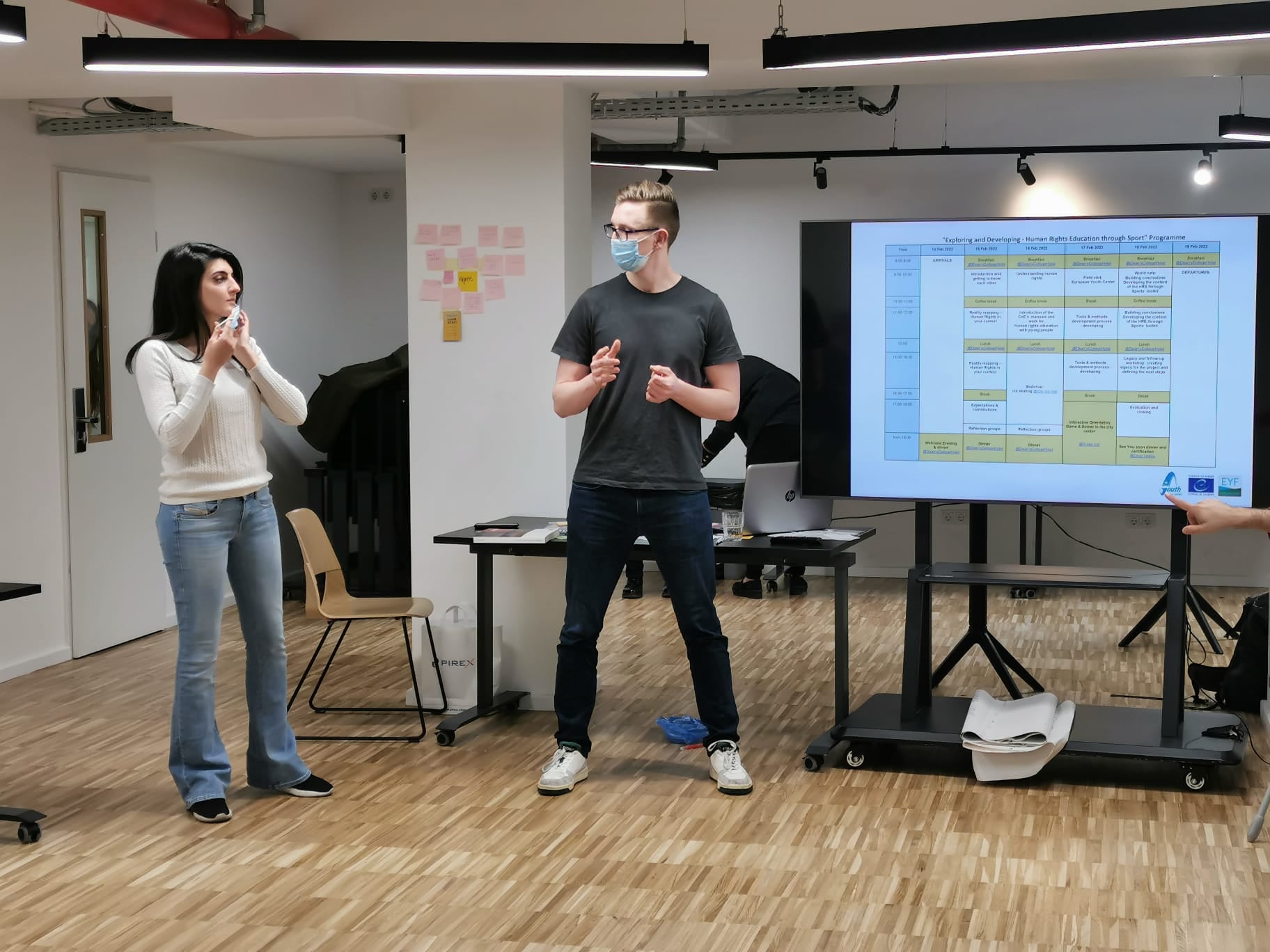
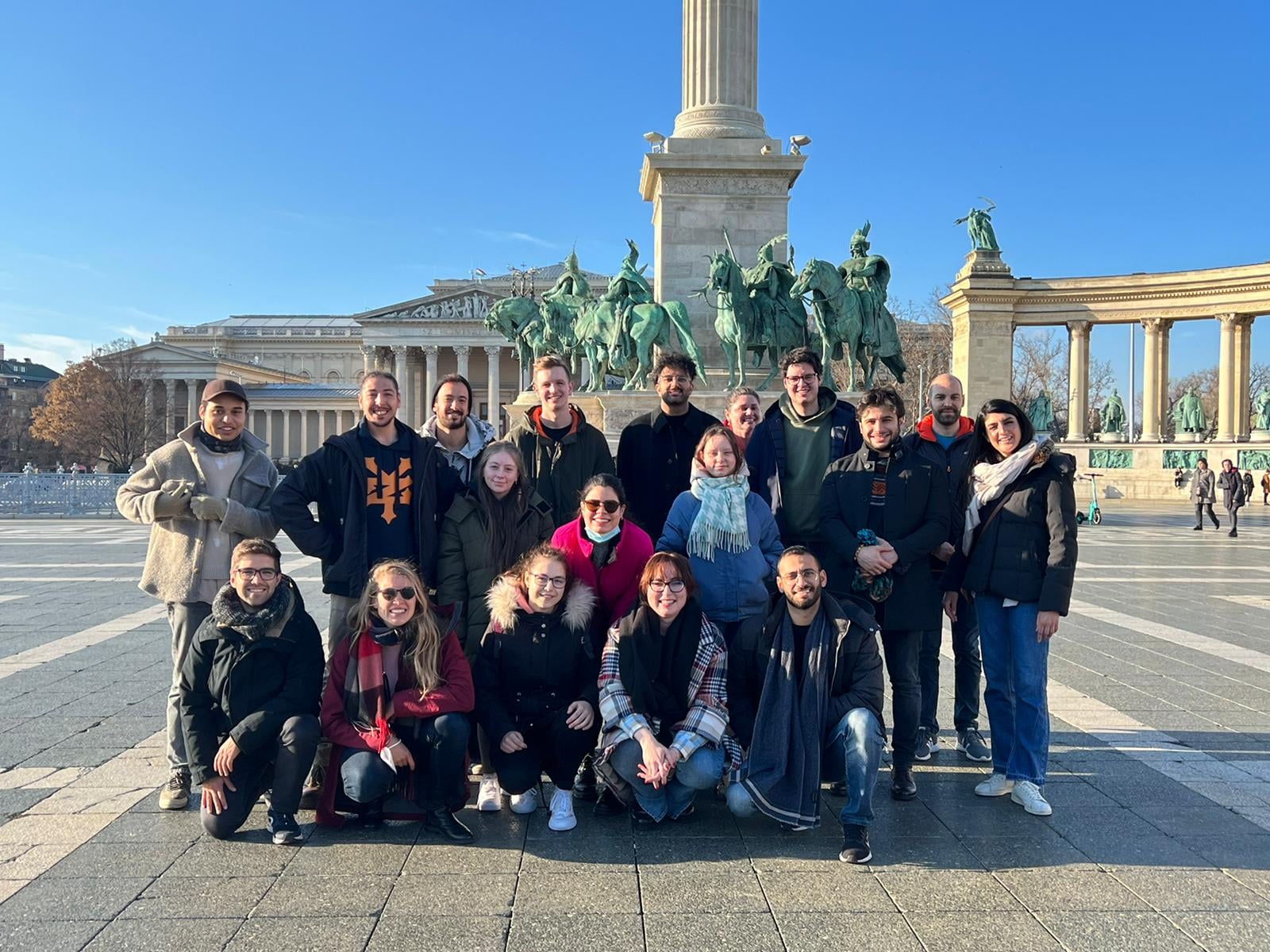
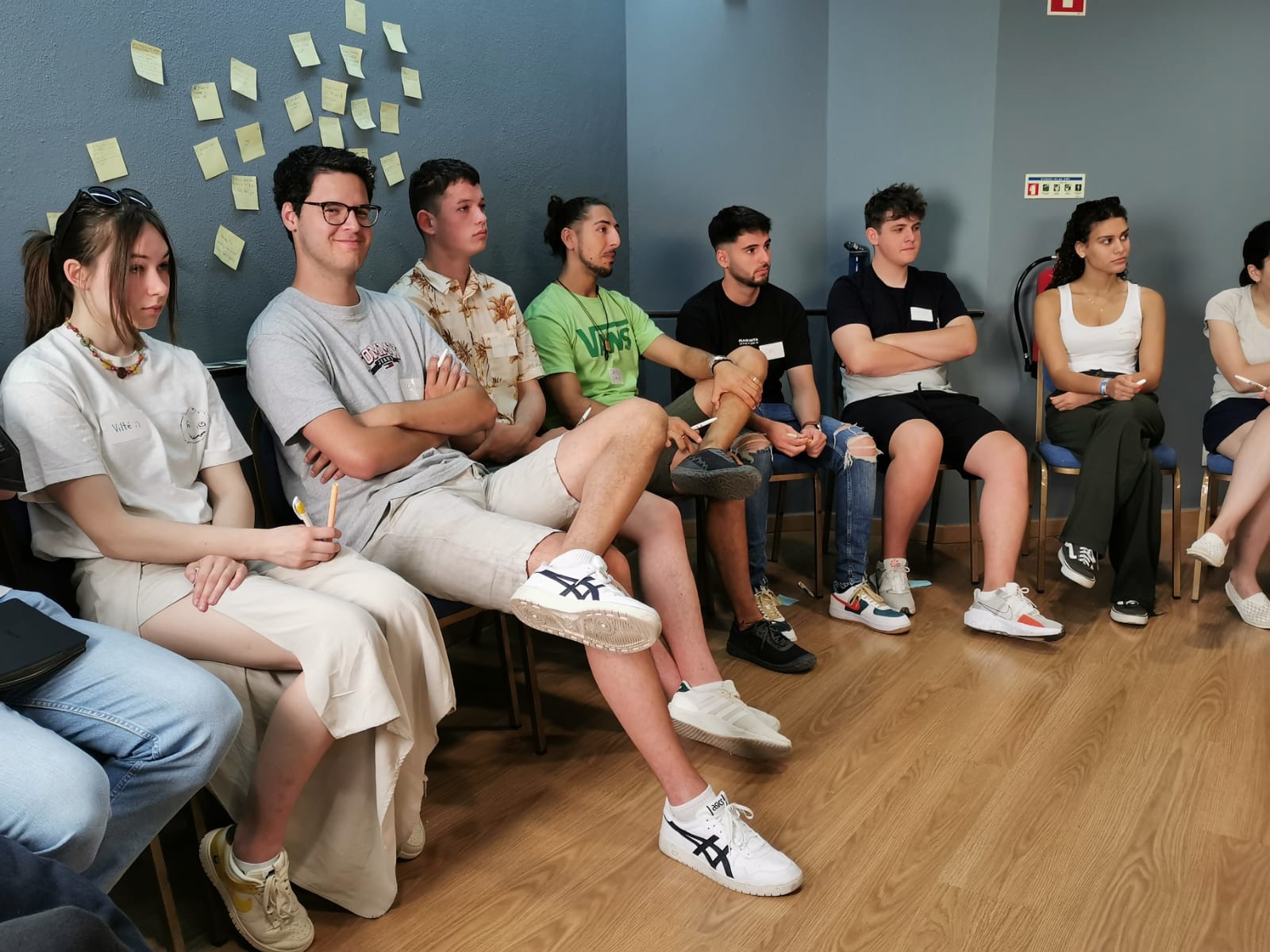
The first international activity of the back to basics – human rights education (hre) through sport programme, called “Explore & develop” was held on 14-19 February 2022 in Budapest, Hungary. 30 young people from all over Europe gathered to explore the potential of sport as a tool for education on human rights. The main goal of the workshop was to support youth and sport organisations to improve their competences and act as a multiplier for human rights and human rights education through sports.
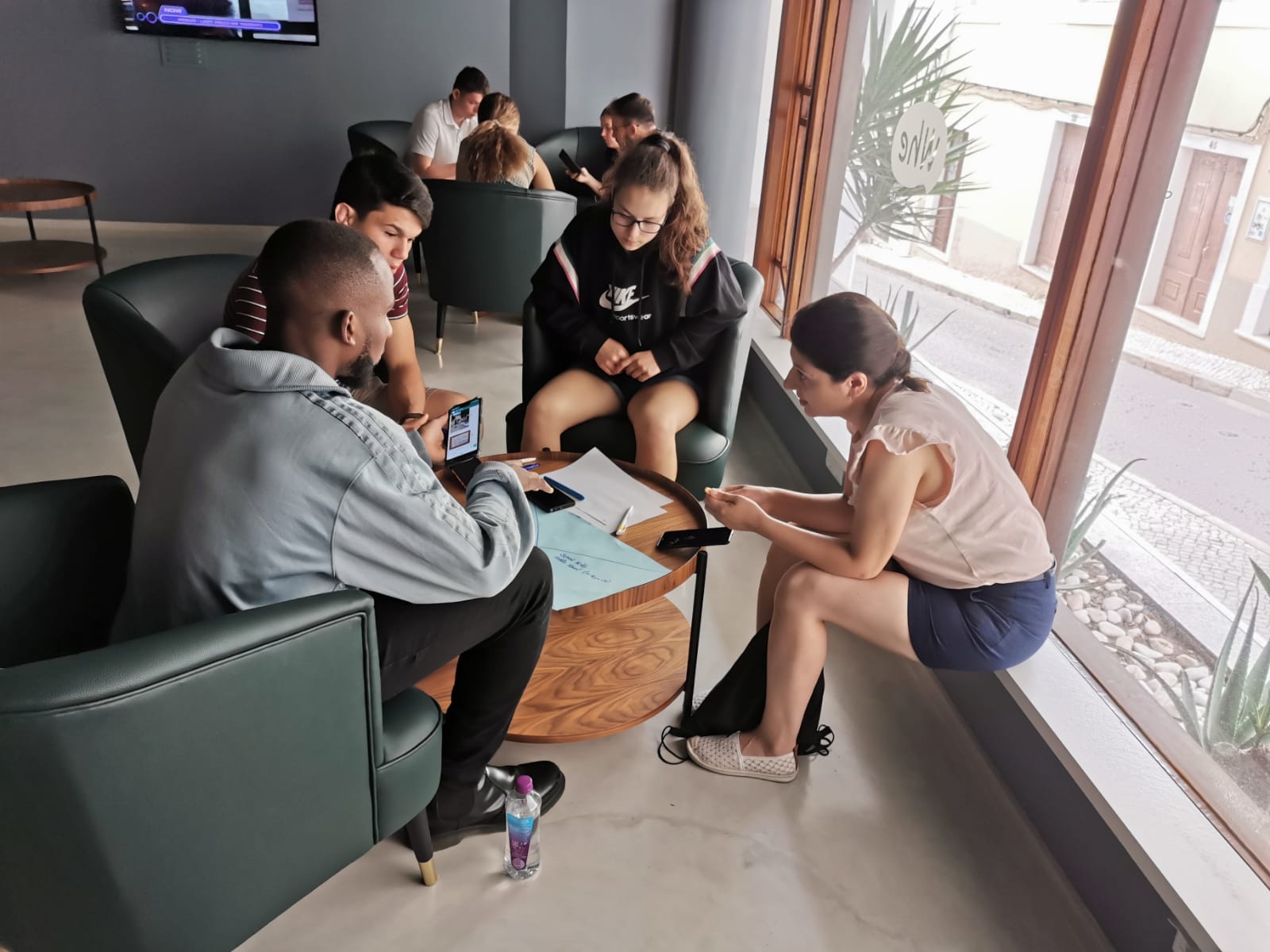
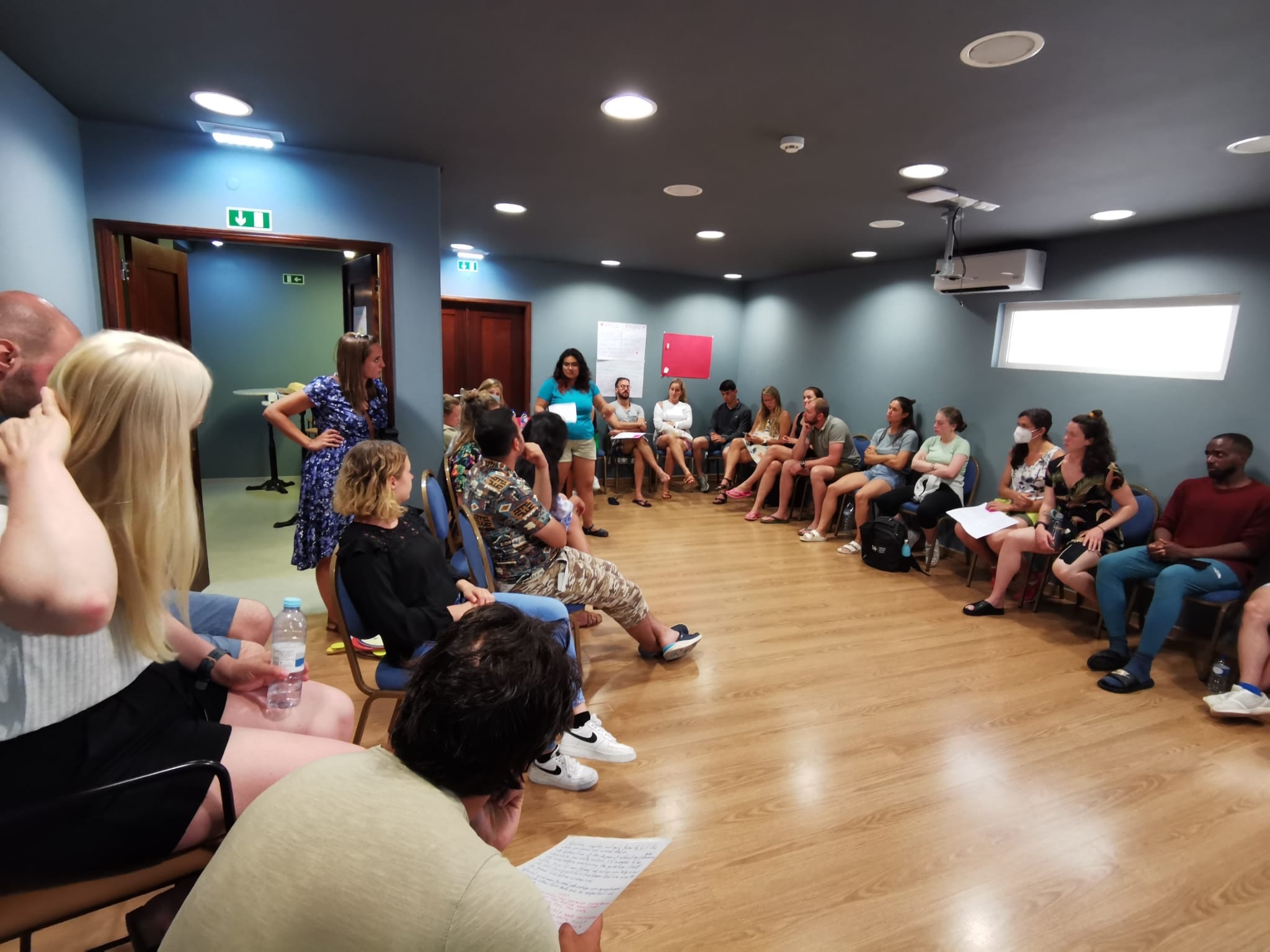
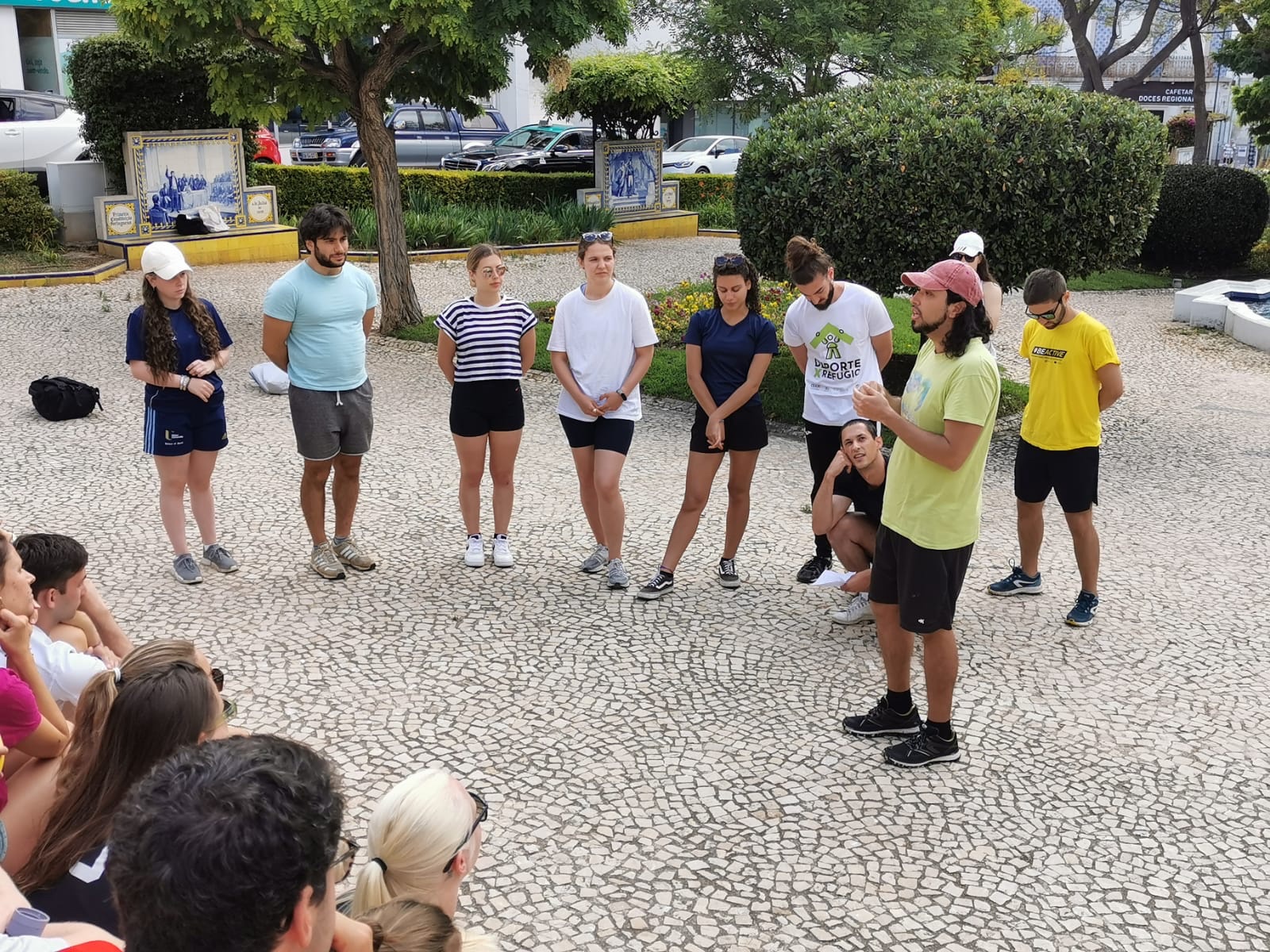
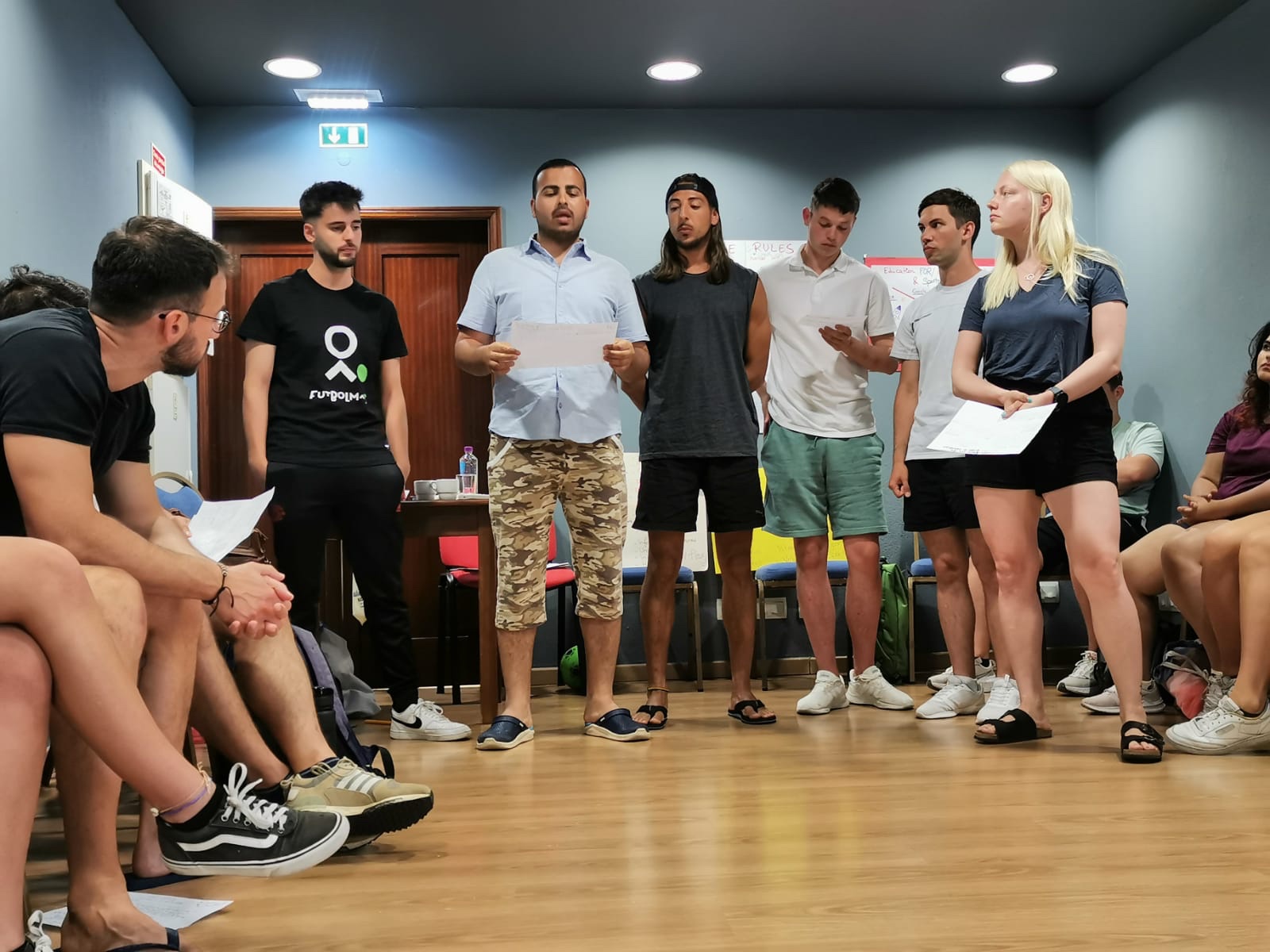
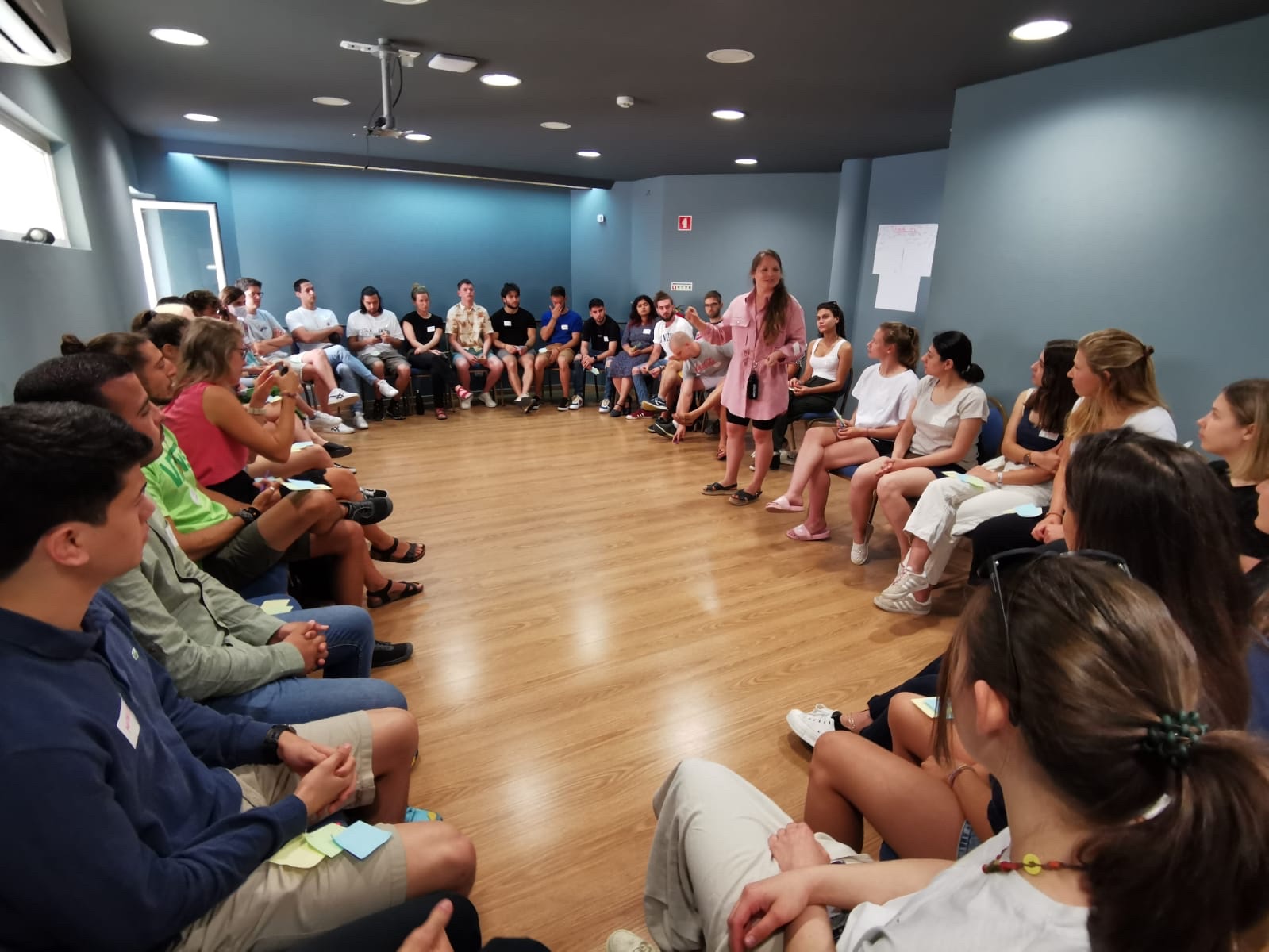
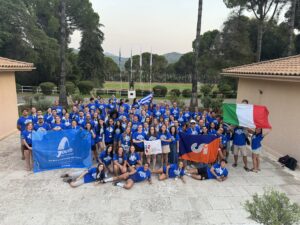
We spent 6 days in Portugal to organise and facilitate the International Youth Camp which was part of our “BACK TO THE BASICS – HUMAN RIGHTS EDUCATION THROUGH SPORT” programme. Fifty young leaders from all over Europe joined our second activity of the programme, entitled “Testing and Feedback”. The aim of the camp was to test and put the tools and methods we have developed at our first activity in Budapest, Hungary, into practice. The participants had a chance to evaluate and improve the existing methods to be more applicable and effective for human rights education of young people, using sport as a learning tool.
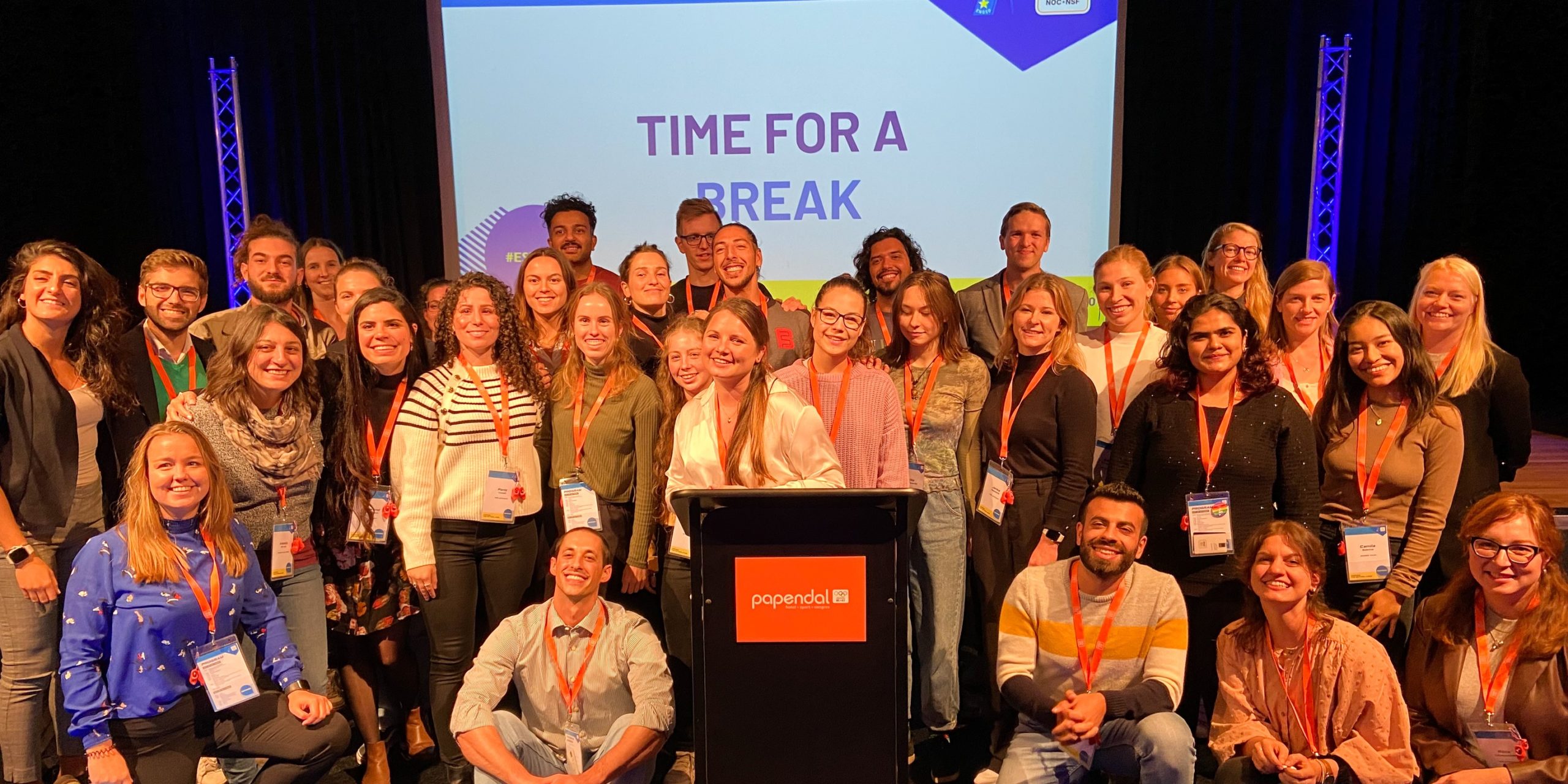
Arnhem, Papendal hosted the 3rd international activity “Concluding and Strategizing Seminar” of our Human Rights Education through Sport programme. The seminar took place on 12-17 October 2022, in the homebase of the Dutch Olympic Committee*Dutch Sports Federation (NOC*NSF) – the training centre Papendal in Arnhem, The Netherlands. 35 participants joined the seminar to present the manual on human rights education through sport to the key sport stakeholders and develop a strategy for its dissemination and extension. The event served as a closing act of the programme and provided a space to evaluate the lessons learnt during this year’s activities and summarise the impressions, results and the next steps.
Step 4:
Recognised as a good practice by Europe Goes Local
The recognition highlights the programme’s innovative approach to promoting Human Rights Education through sport and non-formal education. Developed with the support of the European Youth Foundation of the Council of Europe and co-funded by the Erasmus+ Programme, the initiative empowered more than 100 young leaders from over 30 countries to become multipliers of human rights within their sport organisations and local communities.
Being featured as a Europe Goes Local Good Practice recognises the programme’s contribution to quality youth work and demonstrates how sport can be a powerful setting for Human Rights Education, youth participation, and active citizenship.
As part of its ongoing commitment to Human Rights Education through Sport, ENGSO Youth was proud to deliver its “Back to Basics: Human Rights Education through Sport” programme at the LevelUP! 2024 event, hosted at the European Parliament in Brussels ahead of the 2024 European Elections.
Organised by the European Youth Forum in cooperation with the European Parliament and the European Commission, LevelUP! brought together more than 1,300 young leaders from across Europe for two days of learning, dialogue, and capacity-building. The event aimed to empower young people with the knowledge and skills to promote democratic participation and encourage higher voter turnout in the European Elections.
Step 6:
Connected Human Rights Education with Health
In September 2024, ENGSO Youth partnered with the International Youth Health Organization (YHO) and the Council of Europe to deliver the study session “Highway to Wellbeing: Improving Mental Health and Physical Activity of Youth through Human Rights” at the European Youth Centre Budapest.
Bringing together 20 young participants from across Europe, the four-day programme explored the connections between mental health, physical activity, wellbeing, and human rights through non-formal education methodologies. Organised within the Council of Europe’s Youth for Democracy Programme, the study session created a space for participants to exchange experiences, develop practical skills, and strengthen their understanding of health from a holistic and rights-based perspective.
The main outcomes of the programme are four well-being challenges.
Step 7: New framework for Human Right Education through Sport
Youth leaders gathered in Barcelona to devise a strategy template, an action plan and a monitoring and evaluation tool. This framework is designed to help young people implement Human Rights Education through Sport in their own sport clubs and communities.
Step 8:
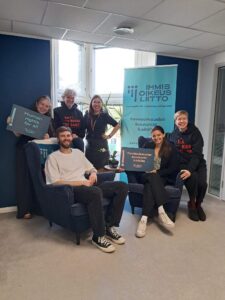
Partnered up with the Finnish League for Human Rights to implement DTT-Sports Project
About Dare to Team Up - Human Rights Education through Sport
Dare to Team Up – Human Rights Education through Sport (DTT-Sport) is a project that aims to raise awareness of human rights in sport and strengthen the capacity of youth and sport organisations, as well as youth workers and coaches, to act as multipliers of Human Rights Education (HRE) through sport. Building on existing expertise and practices, the project focuses on mapping relevant initiatives across Europe and developing inclusive and accessible workshop methodologies suitable for diverse target groups, including people with disabilities and those from different socio-economic and gender backgrounds. These methodologies are pilot tested through capacity-building workshops in Italy and Finland. In addition, the project develops innovative educational tools, including an interactive board game, and prepares a practical strategy template to support organisations in integrating HRE through sport into their work. Through targeted dissemination and communication activities, the project promotes its results at national and European level, contributing to the wider adoption of human rights-based approaches in sport and fostering more inclusive, equitable, and values-driven sporting environments across Europe.
of the educational materials to prepare a methodology for Human Rights Education (HRE) through sport workshops, which would be inclusive for people of different socio-economic backgrounds
Desk Research
This desk research aims to identify, analyse, and collect existing good practices related to Human Rights Education (HRE) delivered through sport-based activities. The collected practices will support the adaptation of existing educational materials and the development of an inclusive methodology for HRE through sport workshops that are accessible to people with disabilities, individuals from different socio-economic.
ENGSO Youth and the Finnish League for Human Rights are two NGO’s working together to raise sports organisations’ awareness on different human rights issues within sports by scaling up and improving the work already developed by both organisations in order to support youth and sport organisations as well as sport and youth workers in developing competences to act as a multiplier for human rights and human rights education through sports in their realities.
Based on their past experience, the two organisations joined forces to create a human rights education workshop methodology. The main objectives of the workshop are raise awareness and knowledge of what are human rights, define personal roles and responsibilities and clarify the link between human rights and sport.