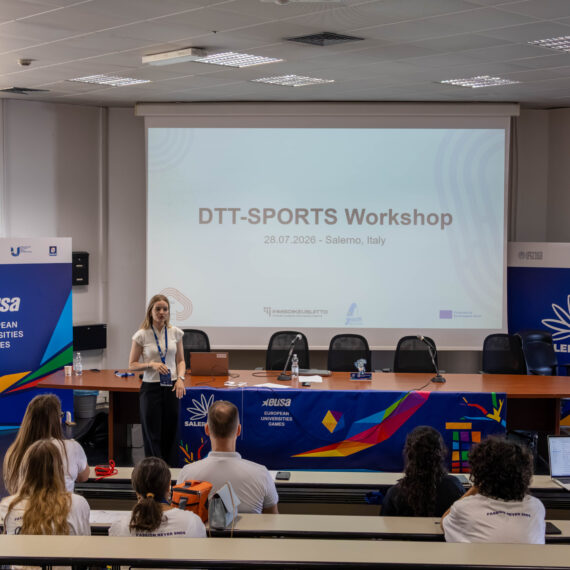
The workshop also emphasised the Rights of the Child in sport. Participants learned about the United Nations Convention on the Rights of the Child and discussed the responsibilities of adults in ensuring that sport remains safe, enjoyable, and development-focused for every child. Particular attention was given to safeguarding, children’s participation in decision-making, and ensuring that sporting activities support children’s wellbeing rather than placing unnecessary pressure on them.
Another important topic was equality and non-discrimination. Through interactive discussions, participants examined different forms of discrimination, recognised barriers that prevent equal participation, and reflected on how fairness often requires removing obstacles rather than treating everyone in exactly the same way. The session encouraged participants to consider how sport organisations can become more accessible, welcoming, and representative of diverse communities.
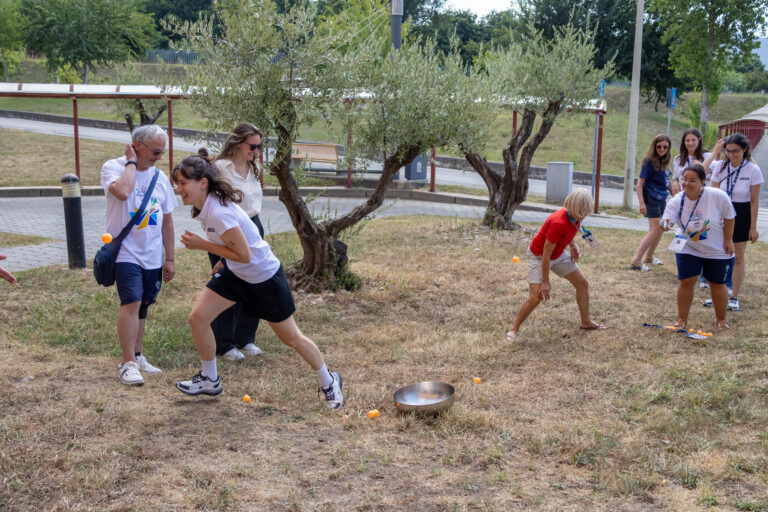
Learning was reinforced through interactive activities, including the Human Rights Cards exercise, where participants worked in groups to connect different human rights to sporting situations and identify potential risks to their fulfilment. The outdoor “Fair Throw” activity further encouraged teamwork, reflection, and practical application of the concepts discussed throughout the day.
The workshop concluded with a collective reflection on the future of sport. Participants identified concrete actions that individuals, coaches, organisations, and policymakers can take to ensure that sport truly becomes a space where everyone’s rights are respected, protected, and promoted.
By combining theoretical knowledge with practical activities and collaborative learning, the workshop strengthened participants’ understanding of human rights-based approaches in sport and reinforced the important role that coaches and sport organisations play in building inclusive, safe, and empowering sporting environments for all.
The feedback from the young participants will allow ENGSO Youth and the Finnish League for Human Rights to fine-tune the workshop methodology.
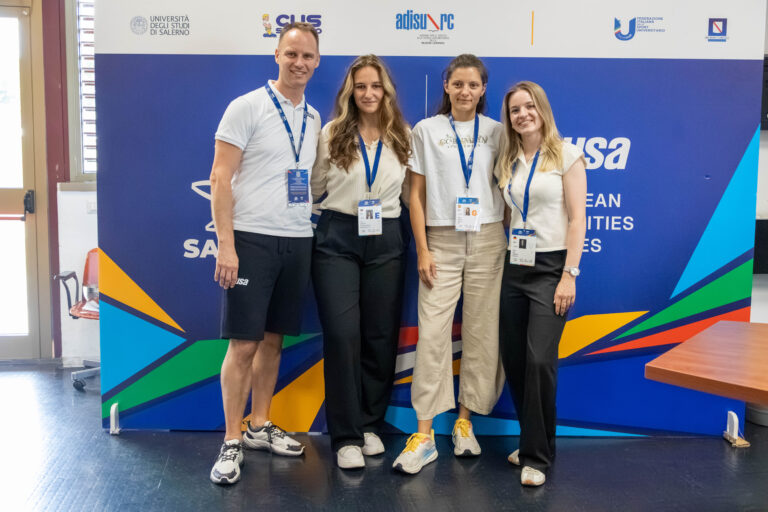
ENGSO Youth thanks our friends and partners from EUSA for the great cooperation and sportive environment created for the successful implementation of the DTT-Sport Pilot Workshop.