Learning from the DTT-Sports pilot workshops
A key part of the meeting focused on lessons from the pilot workshops. In Finland, hate speech in sport emerged as a topic that strongly resonated with young participants. Only one of approximately 30 participants reported having previously discussed hate speech with their coaches or sports leaders.
The workshop also led to discussions about experiences in ice hockey, perceptions of ice hockey as a predominantly “white sport”, and wider inequalities in sport, including women’s participation and representation. These discussions highlighted the value of creating spaces where young people can explore human rights issues through their own experiences in sport.
Partners also reflected on ENGSO Youth’s activity, including the Fair Throw exercise, which encouraged participants to consider different positions and perspectives. The partners identified the combination of practical activities and theoretical input as an effective approach to human rights education through sport.
The partners also emphasised the importance of adapting examples to different cultural contexts. With participants coming from diverse backgrounds, using a broad range of sport-related examples can help make activities more relevant and inclusive.
Taking the DTT-Sports board game forward
Another key part of the meeting was brainstorming and developing the DTT-Sports board game, which will serve as an educational tool to make learning about human rights through sport interactive and engaging.
Partners discussed ways to make the game more accessible to participants with different abilities, including alternative ways of completing physical challenges. The aim is to ensure that the game can be used by diverse groups while remaining educational, interactive and enjoyable.
Looking beyond the project
As DTT-Sports moves towards its final phase, partners also discussed how the project’s results can continue to be used beyond the end of the project. Ideas included further printing and use of the board game, translating the game and manual into additional languages, sharing project templates and resources with other organisations, and continuing to promote the project results through social media.
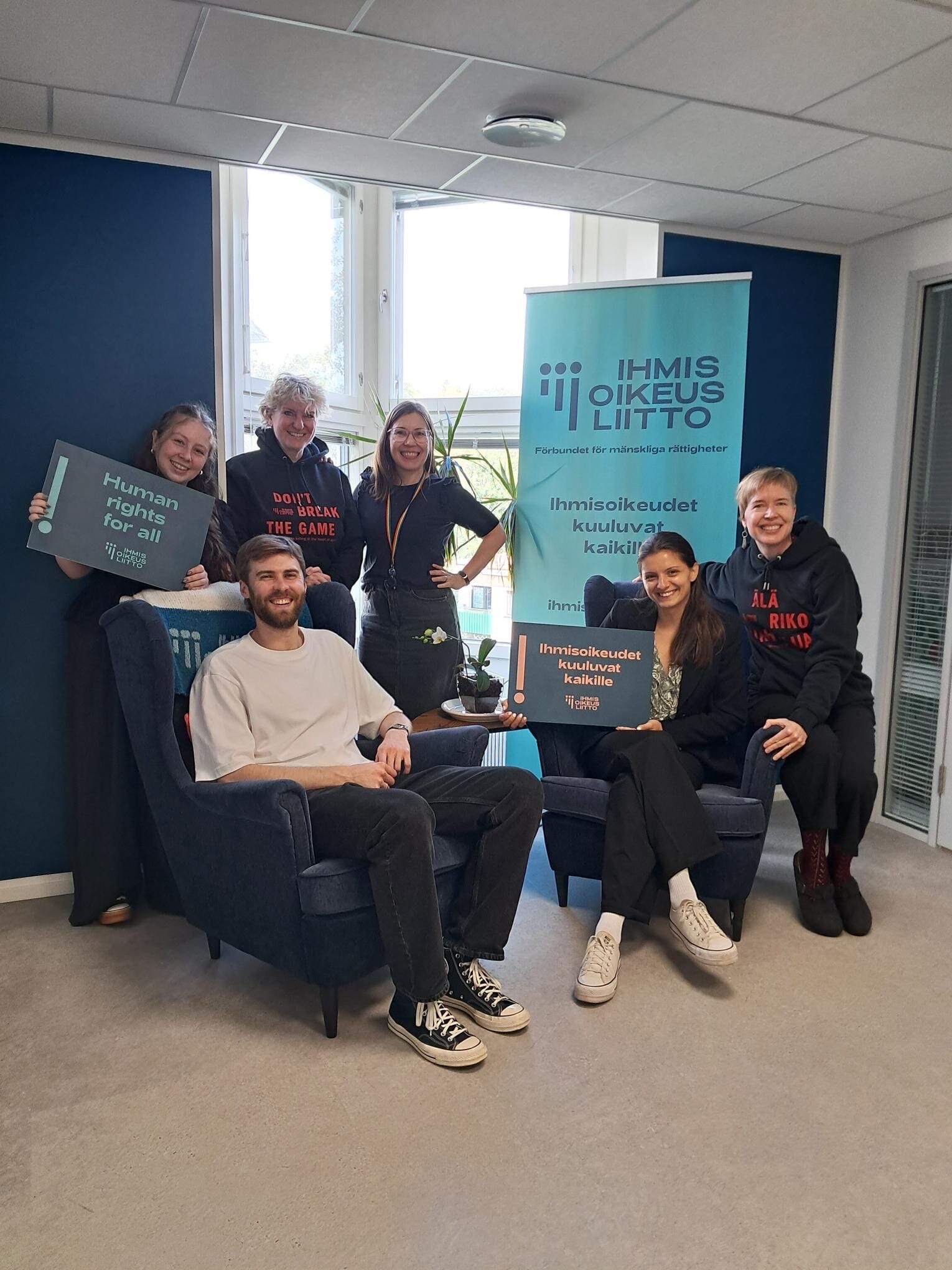
The Helsinki meeting also provided an opportunity to discuss future cooperation between the partners and ways to build on the work developed through DTT-Sports.
Through its activities and resources, DTT-Sports continues to promote the use of sport as a space for learning about human rights, encouraging dialogue, participation and more inclusive sporting environments.