Youth participation must go beyond the playing field
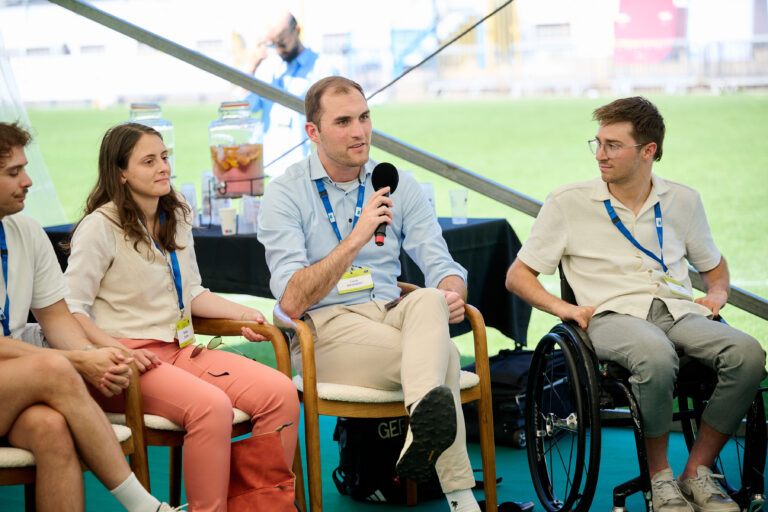
Drawing from existing Eurobarometer data and data from the ENGSO Youth-led EUYOUSPORT project, Luca underlined that young people remain among the most active groups within European sport. However, despite this strong engagement, young people are still largely absent from decision-making structures in sport.
“The issue is not that young people are disconnected from sport. The issue is that sport governance is still disconnected from young people,” Luca stressed during the discussion.
This gap has important consequences for the future of European sport and consequently for many of the challenges identified in the consultation process on a strategic vision for sport in Europe, since governance structures cannot be truly democratic, representative or future-oriented if young people remain excluded from shaping policies and decisions.
Strengthening the European Sport Model through youth inclusion
The dialogue focused on several major themes linked to the European Sport Model, including governance, volunteering, physical inactivity, athlete wellbeing and inclusion. The European Sport Model is based on principles such as openness of competition, solidarity between grassroots and elite sport, volunteer-driven structures and the autonomy of sport organisations.
Whilst highlighting such key principles, Luca emphasised that many young people today are looking for sport environments that are accessible, inclusive and community-driven, with greater attention given to mental wellbeing and belonging. As such, meaningful youth participation and gender equality should be recognised as core governance principles of the European Sport Model itself.
“If we want sustainable grassroots sport structures, we must move from seeing young people only as participants or volunteers, to recognising them as partners, leaders and co-decision-makers,” he noted.
ENGSO Youth’s key recommendations
During the dialogue, ENGSO Youth presented two concrete priorities for the upcoming EU Strategic Vision for Sport in Europe:
- Strengthening Youth Participation in Sport Governance
ENGSO Youth called on the EU and sport organisations to strengthen youth participation in decision-making processes. This includes guaranteeing youth participation in major EU sport initiatives and events, such as the EU Sport Forum and the European Week of Sport.
We also stressed the importance of including sport more prominently in the EU Youth Strategy (post-2027).
- Stronger support through Erasmus+
ENGSO Youth highlighted the importance of Erasmus+ as a key tool for supporting grassroots sport, youth participation and good governance, having recommended:
- a significant increase of the Erasmus+ budget beyond inflation;
- dedicated budget allocations for youth (15%) and sport (5%);
- the creation of operating grants for European grassroots sport networks;
- stronger links between sport and other EU programmes, such as EU4Health, to promote physical and mental wellbeing through cross-sector cooperation.
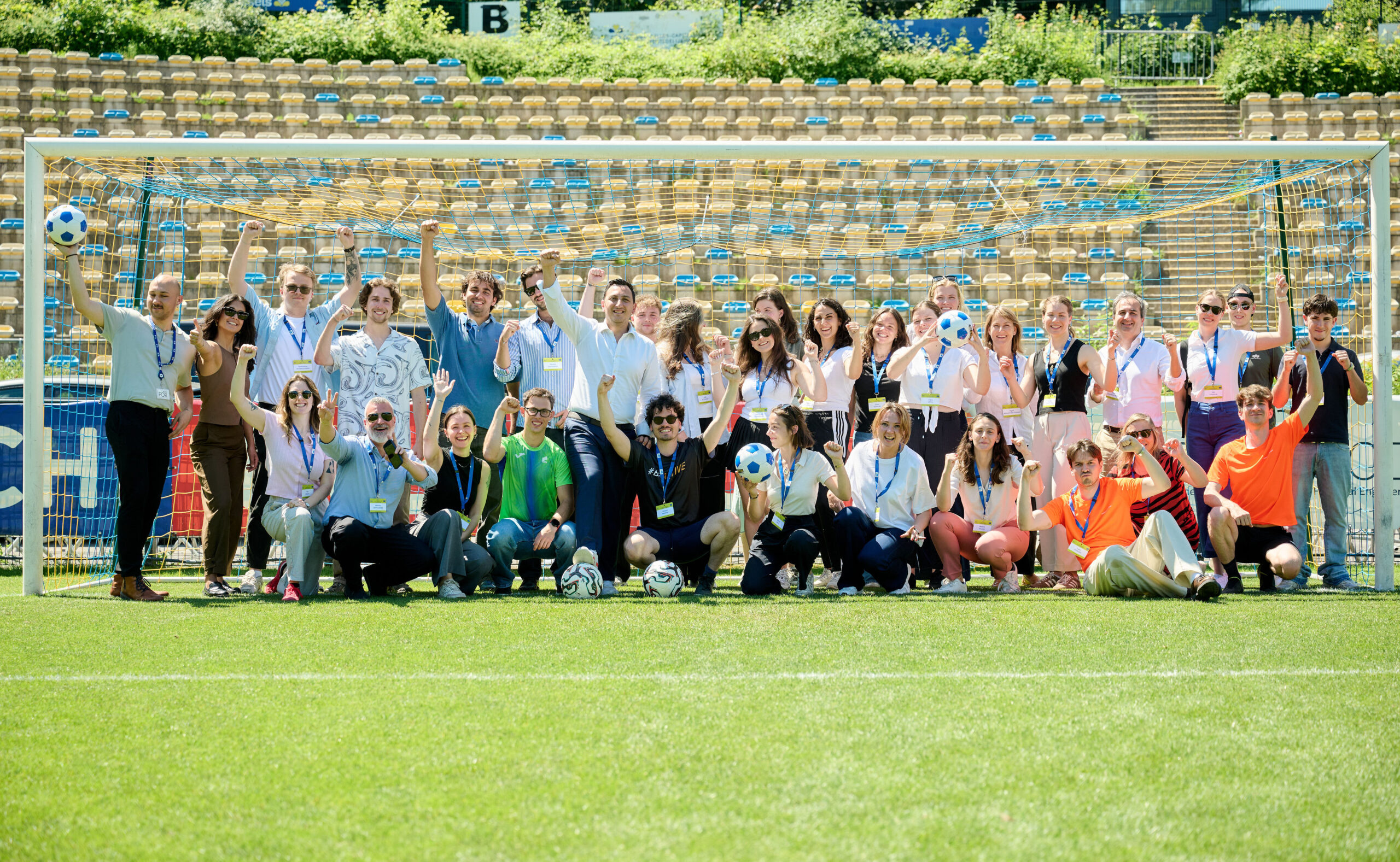
The dialogue provided an open and constructive space for exchange between young participants and Commissioner Glenn Micallef, who acknowledged the importance of youth engagement in governance and encouraged participants to continue advocating for stronger youth representation.
For ENGSO Youth, the discussion reaffirmed the importance of ensuring that young people are recognised not only as beneficiaries of sport policies, but also as active partners in shaping the future of European sport.
We would like to express our appreciation to Commissioner Glenn Micallef and to all the young participants present in the event for the constructive discussions held.