ENGSO Youth urges Members of the European Parliament to keep youth and sport at the heart of Erasmus+ during European Parliament’s Stakeholders Dialogue on Erasmus+ Youth
Brussels, 14 January 2026
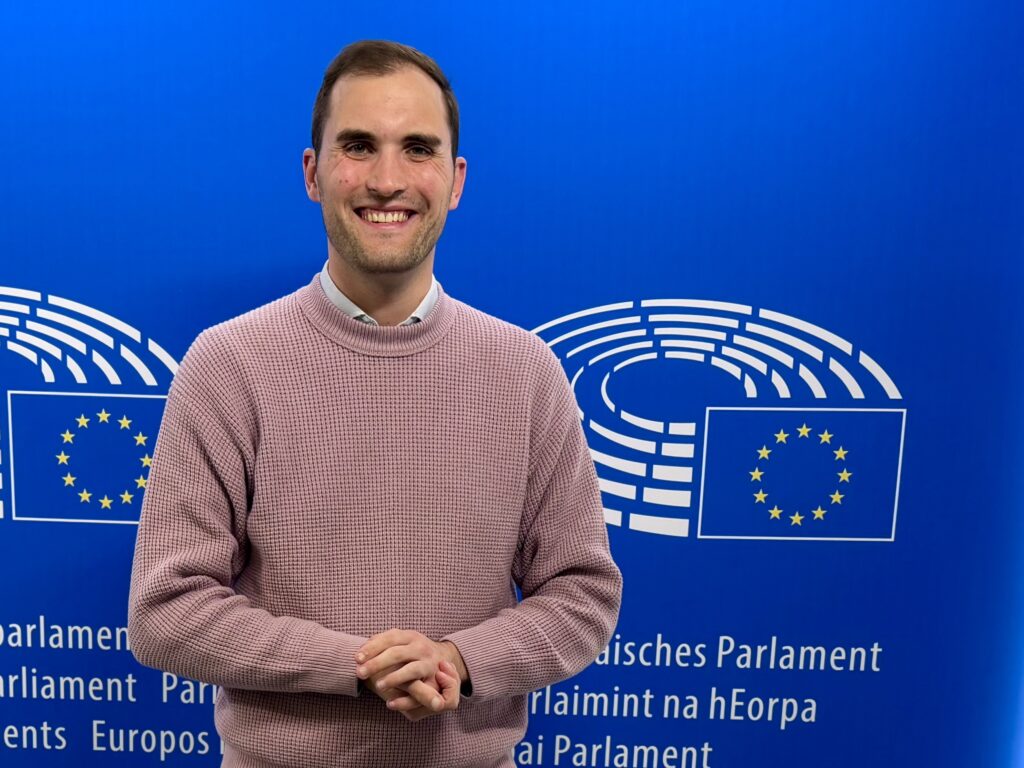
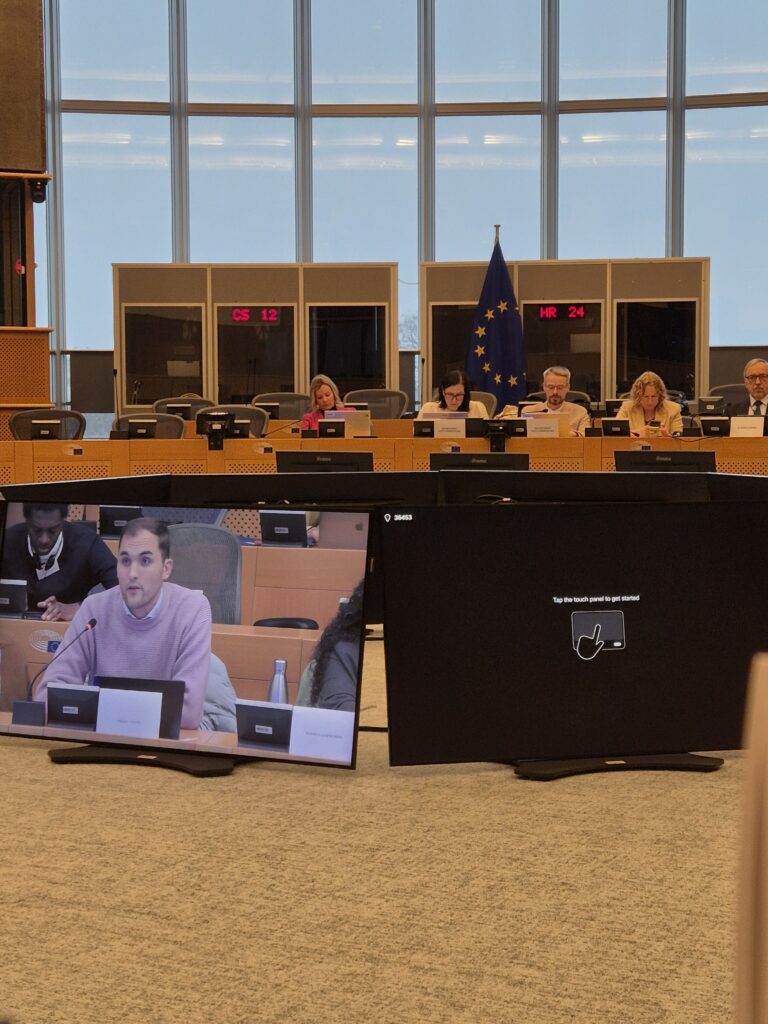
After the stakeholder consultation in December on Sports and ahead of the adoption of the next Multiannual Financial Framework (MFF) 2028–2034, ENGSO Youth Vice-Chair, Luca Wernert presented ENGSO Youth perspective on the future of the Erasmus+ programme to the European Parliament’s CULT (Culture and Education) Committee during its Stakeholders Dialogue on the upcoming Erasmus+ (Youth), which took place on 14 January 2026, in Brussels.
In his speech, Luca reminded Members of the European Parliament (MEPs) that grassroots sport represents Europe’s largest civic movement, engaging millions of volunteers and participants. It plays a vital role in promoting health, equality, and social inclusion, while strengthening community resilience, encouraging active citizenship, and connecting people across borders and cultures.
He also underlined that Erasmus+ stands among the EU’s most successful programmes, having enabled learning, mobility, and participation opportunities for millions of young people. As discussions move toward the adoption of the 2028–2034 Multiannual Financial Framework (MFF), Luca stressed that Erasmus+ must continue to be a central pillar of Europe’s investment in people, particularly in the areas of youth and sport.
Luca warned in particular that integrating the European Solidarity Corps into Erasmus+ would add new responsibilities without a corresponding increase in resources. Although the proposal suggests a higher budget, it risks preserving the current situation rather than delivering genuine growth.
This concern is heightened by the unprecedented demand for Erasmus+. Without a substantial increase in funding, equal access for all young people cannot be ensured, and youth and grassroots sport organisations—key drivers of inclusion and community cohesion—will lack the support they need.
He further cautioned that removing dedicated chapters for youth and sport, along with abolishing earmarked funding, would reduce their visibility and weaken political prioritisation. Small, volunteer-led clubs—the backbone of European sport—and youth organisations would be placed at a disadvantage, struggling to compete with larger organisations and consultancy firms for funding.
Luca presented ENGSO Youth’s key recommendations for the next MFF, calling for a renewed and strengthened commitment to youth and sport, including:
– Dedicated chapters and earmarked budgets for youth and sport, with at least 5% of the Erasmus+ budget allocated to sport, and 15% allocated to youth, to guarantee visibility and fair access.
– A significant real-term increase in Erasmus+ funding, well above inflation, to respond to growing demand.
– The restoration of the Key Action structure, ensuring strong support for democratic participation and non-formal learning.
– A strategic focus on inclusion, health, volunteering, and active citizenship.
As negotiations on the next Multiannual Financial Framework progress, Luca concluded by urging MEPs to keep youth and sport at the core of Erasmus+. He closed with a clear call to action: “We must ensure that every young person and every grassroots sport club can continue to benefit from this success story.”