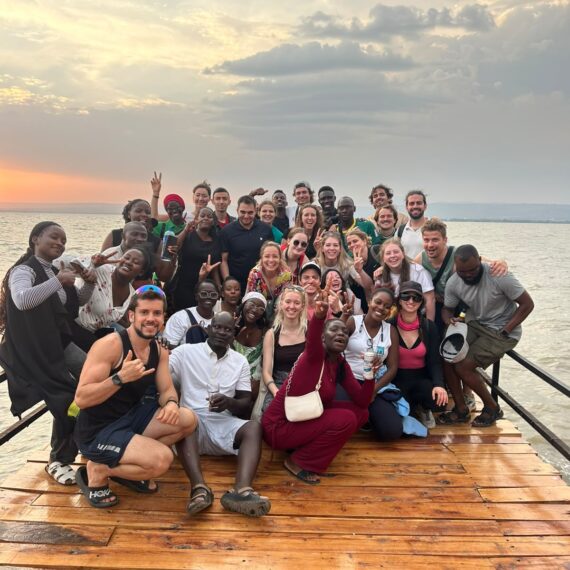
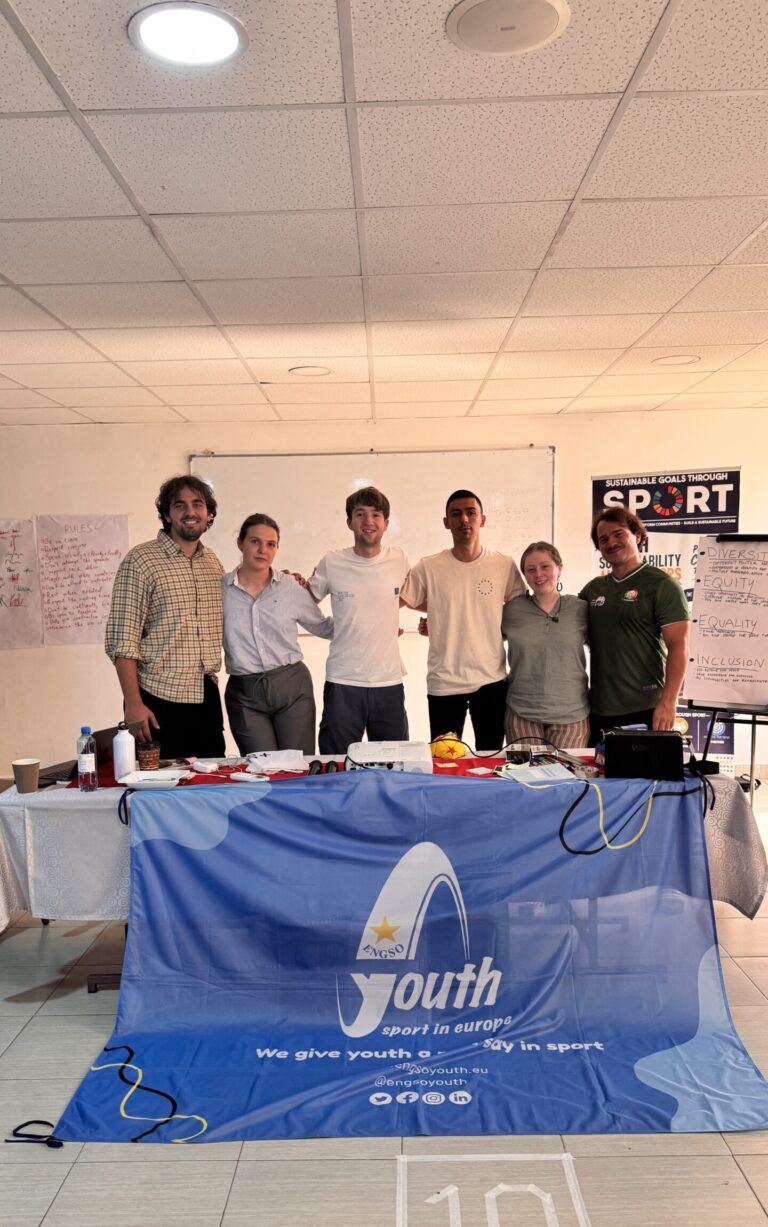
Using games, teamwork exercises, and sport-based challenges, participants introduced sustainability concepts in an engaging and accessible way. The activities encouraged young people to think about their role in protecting the environment, supporting their communities, and making positive choices in everyday life.
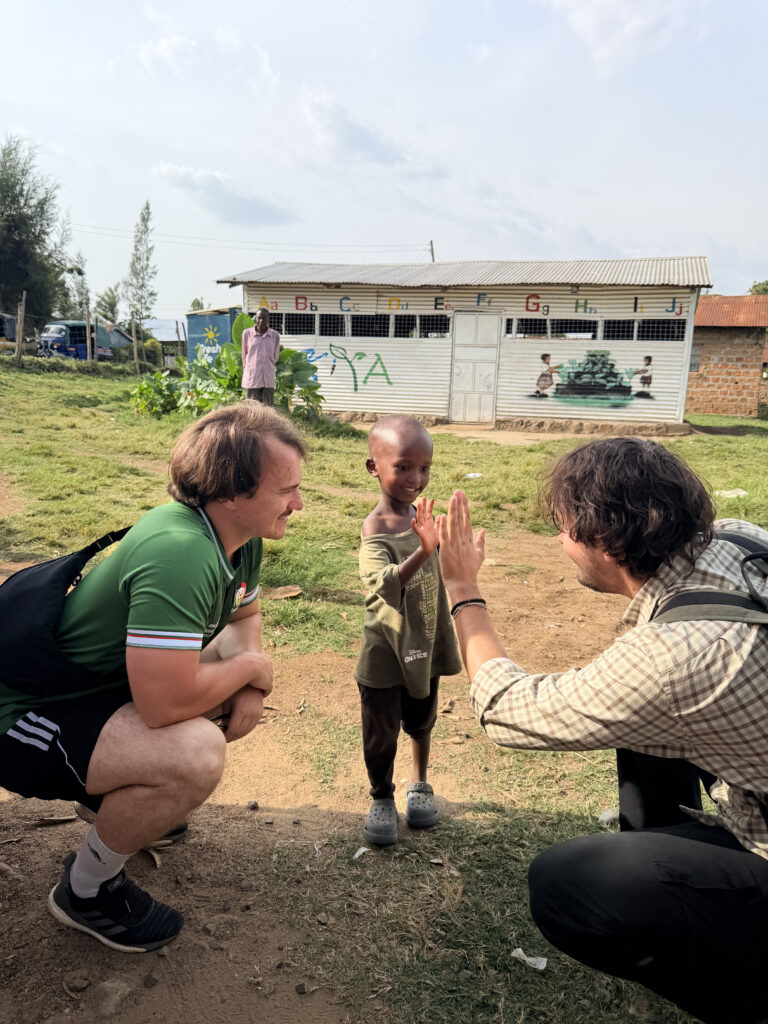
These visits allowed the trainers to apply the knowledge gained during the programme while experiencing first-hand how sport can create meaningful learning opportunities for young people.
The young delegates, reflected on this opportunity sharing
“One of the highlights of the training was the combination of learning sessions and field visits. Seeing how communities create positive change despite limited resources was both inspiring and humbling. It reminded me of the importance of understanding local realities and taking responsibility for making our own communities better.” – Emil.
“Having the opportunity to see what I study in theory put into practice, in the field, with my own eyes, and to see the work that is usually behind the curtains, behind a laptop, is a once-in-a-lifetime opportunity! Seeing the smiles of the kids, their joy and happiness, while at the same time witnessing the hardship of their situation, was really hard, but I am so grateful to have had that chance. I learned more from the schools and the kids than they probably learned from me, and that made me realise even more how important it is to keep working in this field, focusing on sustainability, inclusion and creating a real impact for communities. It also reminded me of the importance of bringing home everything we learned and sharing those lessons with others.” – Gunther.
In the lead up to Dakar Youth Olympics 2026, the participants will use the practical action plans developed during the training, and deliver sustainability-focused sport activities in their own communities, ensuring the legacy of the programme extends far beyond Kisumu.