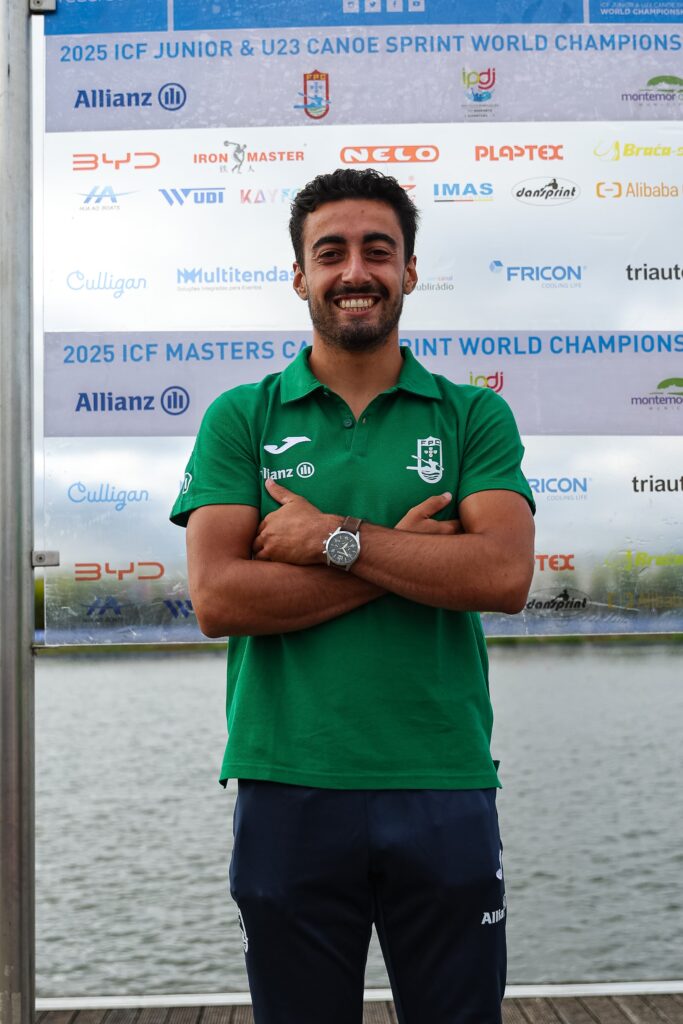
The demands, resilience, and team spirit are not just sporting traits: they are essential tools for shaping conscious citizens capable of actively contributing to their community. At the European Tennis and Padel Championships, my role as a volunteer managing the results platform offered a different but equally enriching perspective. Working behind the scenes, ensuring the quality and reliability of information provided to the public and technical teams, highlighted the importance of technology, communication, and multidisciplinary collaboration in organising major events.
More than ever, I realised that every role, visible or invisible, is vital for sport to be truly inclusive and efficient. As a Young Delegate of ENGSO Youth, I see these experiences as practical extensions of the values we promote: inclusion, equity, youth participation, sustainability, and human rights. Being involved in international contexts reinforced the need to build bridges, promote a culture of respect for differences, and use sport as a tool for social transformation. Whether as a coach or a volunteer, I have witnessed the positive impact that a well-organised, ethical, and collaborative structure can have on the lives of young athletes and everyone involved in the sporting ecosystem.
These experiences demonstrate that sport is not limited to competition. It is, above all, an instrument of diplomacy, empowerment, and building bridges between cultures and generations. It is our responsibility, as young people involved in platforms like ENGSO Youth, to ensure that this vision is amplified, shared, and integrated into national and European policies and practices.
Therefore, I extend my personal thanks to the Portuguese Canoeing Federation (FPC), the European University Sports Association (EUSA), the Coimbra Academic Association (AAC), all technical teams, staff, volunteers, and athletes for these unique experiences, and I congratulate everyone on the achievements reached.